Shopping cart
Total:
0,00

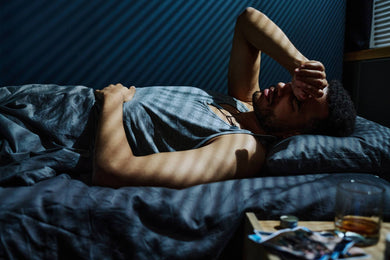
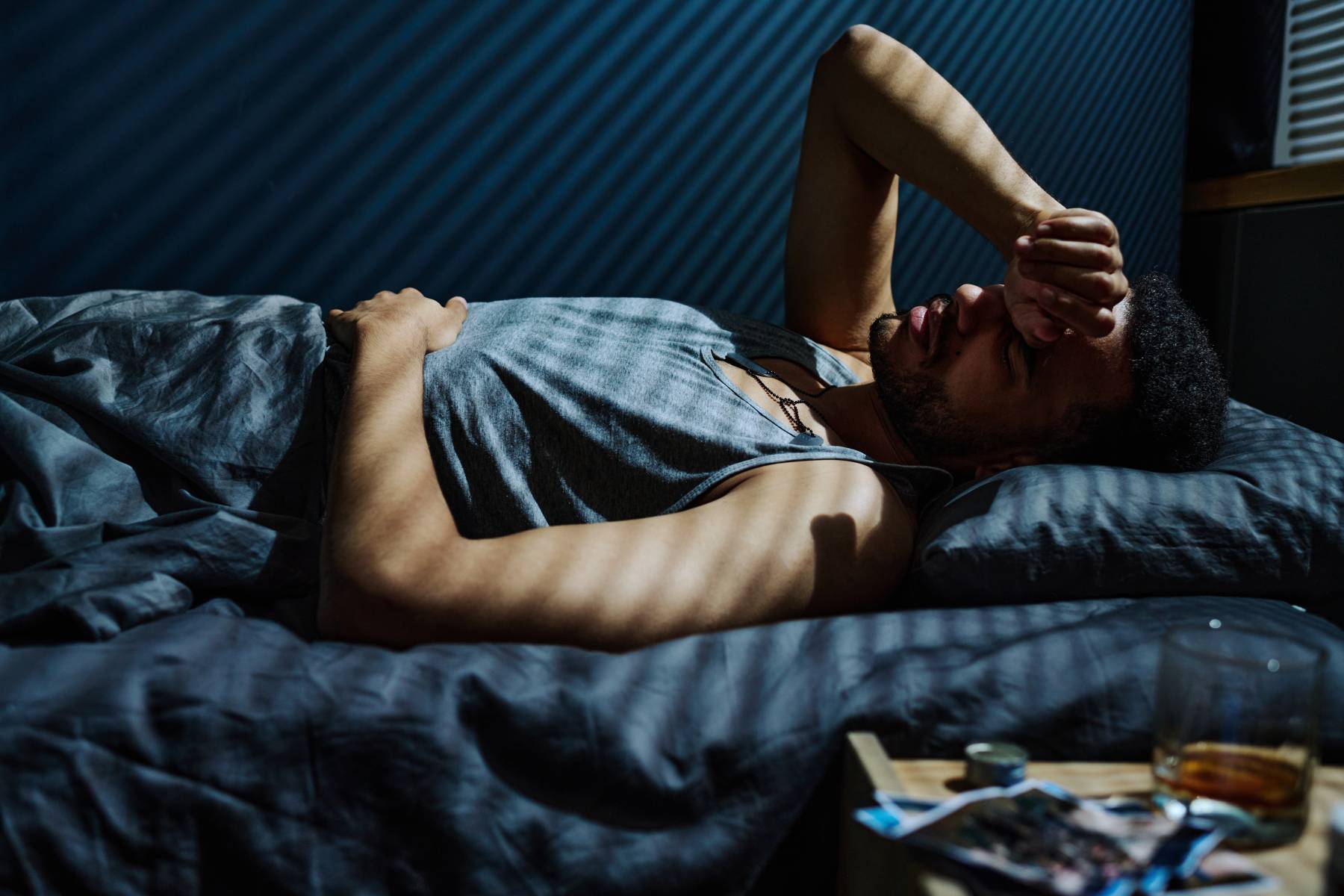

Concentration problems, irritability, anger outbursts, and being constantly on guard; some signals that belong to a post-traumatic stress disorder, also known as PTSD. In addition, many people who suffer from of PTSD also sleep problems. In this article, we tell you more about PTSD and a good night's rest and provide we give you some tips that bring you peace.
PTSD, which stands for post-traumatic stress disorder, is a psychological condition that can develop after a traumatic experience. Think, for example, of an accident or abuse. You have PTSD when your complaints do not go away on their own and the traumatic experience was more than four weeks ago.
Psychological complaints that often occur with PTSD are:
Besides PTSD, there is also Complex PTSD. This means that in addition to PTSD symptoms, you also have other problems, such as a disturbed self-image or difficulty trusting people.
PTSD arises from a trauma. A ‘trauma’ literally means a wound. However, in common language, we almost always refer to a mental wound. These wounds often have events and memories as their cause. Causes include, for example:
Traumas occur in different severities and durations, and the effects vary per person. People with a trauma often suffer from social anxieties, depression, and many experience sleep problems. According to the Utrecht Medical Center, we speak of a trauma if these experienced complaints last longer than 4 weeks. They also write that a trauma can be a precursor to other disorders such as depression or bipolar disorder.
Post-traumatic stress can have a big impact on your sleep. Many people with PTSD suffer from nightmares related to the traumatic experience. Insomnia is also a common complaint due to PTSD. You may have trouble both falling asleep and staying asleep.
Text continues below image

 Helps you to sleep faster, longer, and more deeply
Helps you to reduce stress and relax
100 days trial sleep.
Helps you to sleep faster, longer, and more deeply
Helps you to reduce stress and relax
100 days trial sleep. Poor sleep can worsen your PTSD symptoms. Unfortunately, many people with PTSD suffer from poor sleep. To address sleep problems caused by PTSD, there are several tips that can help.
First and foremost, it is crucial to create a fixed day-night rhythm. This includes the advice to go to bed and get up at a fixed time, which can help regulate your sleep pattern.
Exercise also plays an essential role. It is important to emphasize physical activity as a way to improve sleep quality. Encouraging outdoor activities and avoiding excessive TV watching before bedtime can contribute to better sleep.
A healthy diet is also very important. A diet rich in fruits, vegetables, and sufficient hydration during the day can promote overall health and better sleep.
Finally, creating a comfortable sleep environment is crucial. Make sure you have a suitable pillow, breathable bedding, and the right room temperature to ensure your sleep environment is conducive to a good night's rest.
Living with PTSD can be very difficult for you and your loved ones. It is not always clear what you can do yourself, and when you need others. If you or one of your loved ones suffers from PTSD, a weighted blanket might be able to help you! Research has shown that using a weighted blanket can contribute to reducing symptoms of PTSD and promoting better sleep. This blanket provides a feeling of security and comfort, and can calm the nervous system, resulting in a decrease in nightmares and other symptoms.
We hope that after reading this article you know more about sleep problems with PTSD and that the tips help you have a better night's sleep.
Find the weighted blanket that suits you right away.

26-01-2026

03-11-2023

06-10-2023
Leuk dat je contact wil opnemen via WhatsApp. Je kan deze QR code scannen met je telefoon om een chat te beginnen.

Heb je WhatsApp op je computer? Dan kun je ook gewoon op deze knop klikken.
Open WhatsApp
Safety first: our bedding carries the OEKO-TEX® Standard 100 label. This means that every part – from the fabric to the zipper and filling – has been tested for harmful substances and is 100% safe for your health.
Did you know? Products used directly on the skin, such as bedding, must meet the strictest OEKO-TEX® requirements (product class I).
This way you not only sleep better, but also more peacefully!

 WhatsApp
 @novaline_dekens
 @novalineverzwaringsdekens
 info@novaline-dekens.nl


